Hair loss and the hormone responsible: DHT
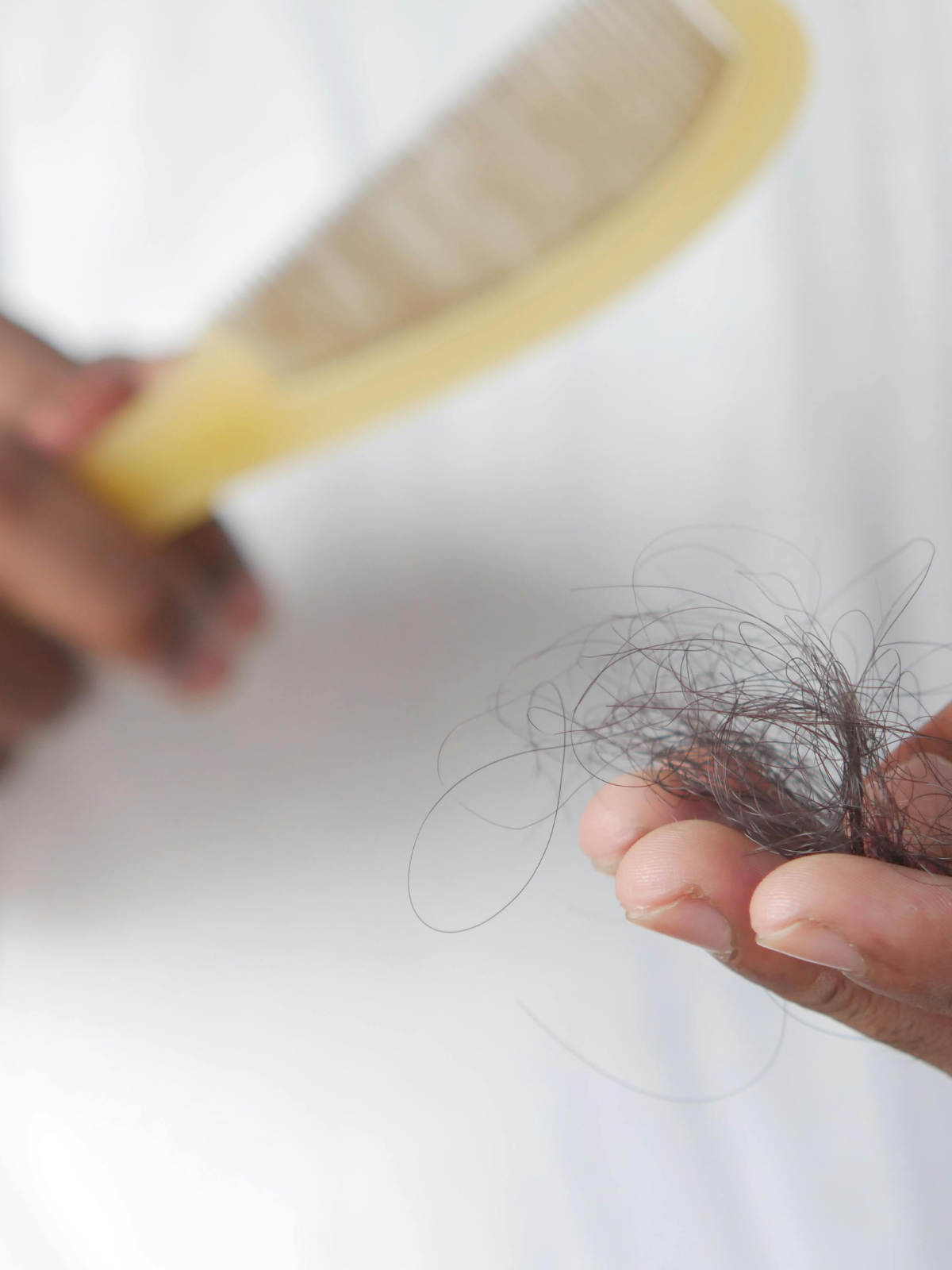
Hair loss is a common problem that affects both men and women. Among the most frequent causes is a very specific hormone: DHT, or dihydrotestosterone. But what is DHT, and how does it affect our hair? Let's dive into the details to better understand this phenomenon.
What is DHT?
DHT is a hormone derived from testosterone, a male sex hormone present in men and, in smaller quantities, in women. Under the action of an enzyme called 5-alpha reductase, testosterone is converted into DHT. This hormone plays a key role in the development of male characteristics, but it can also have undesirable effects, particularly on hair.
How does DHT affect hair?
When DHT is produced in excess, it binds to the hair follicle receptors located on the scalp. This binding triggers a chain reaction that affects hair health:
- Miniaturization of hair follicles: DHT causes a progressive shrinking of hair follicles. They become smaller and less able to produce robust hair.
- Hair weakening: The hair produced by these miniaturized follicles is thinner, more fragile, and tends to fall out more easily.
- Progressive thinning: Over time, affected follicles stop producing new hair, leading to visible hair loss.
This process, known as androgenetic alopecia, is the most common form of hair loss. It primarily affects men, but women can also be affected.
What can be done to combat DHT-related hair loss?
Fortunately, there are solutions to limit the effects of DHT on hair:
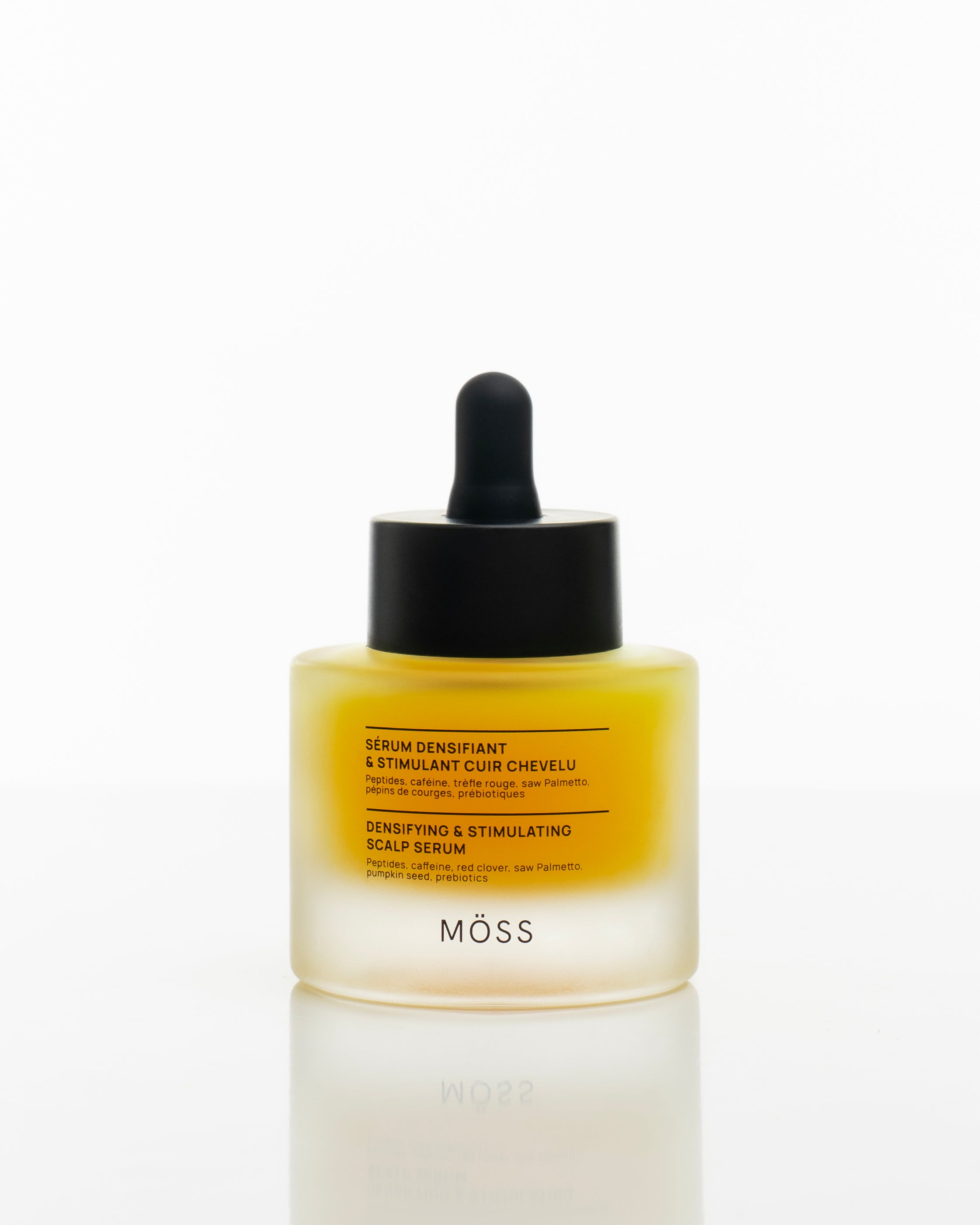
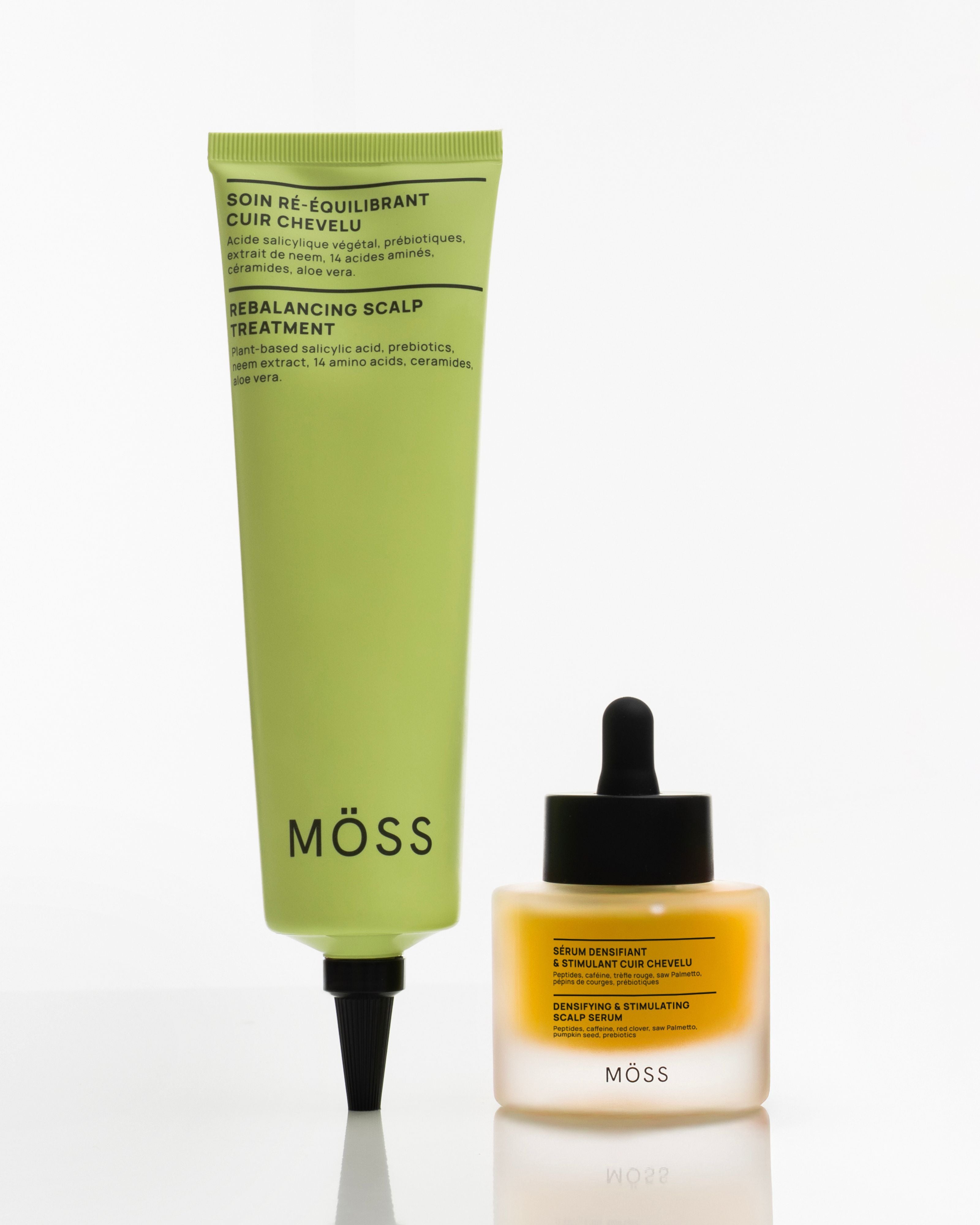
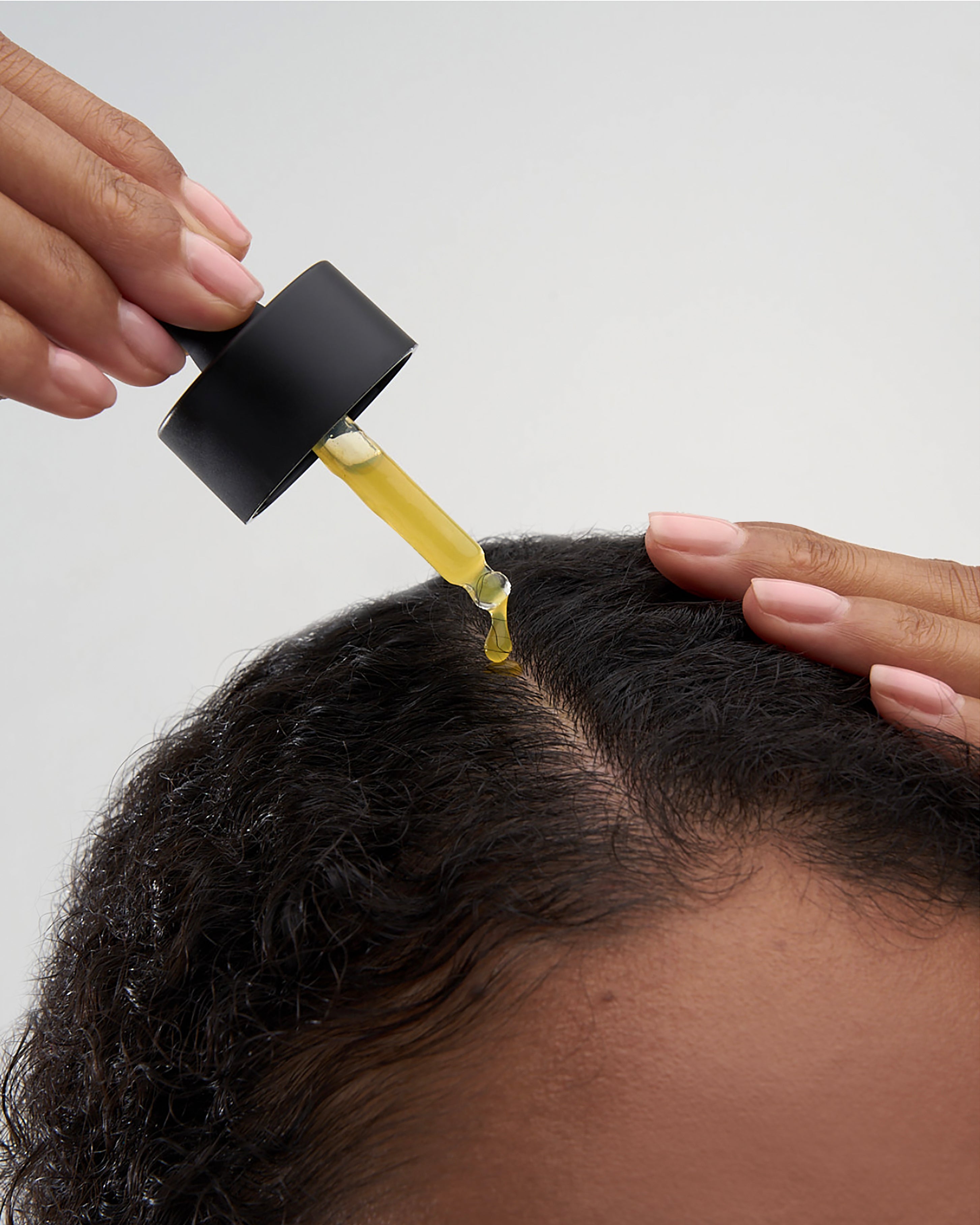
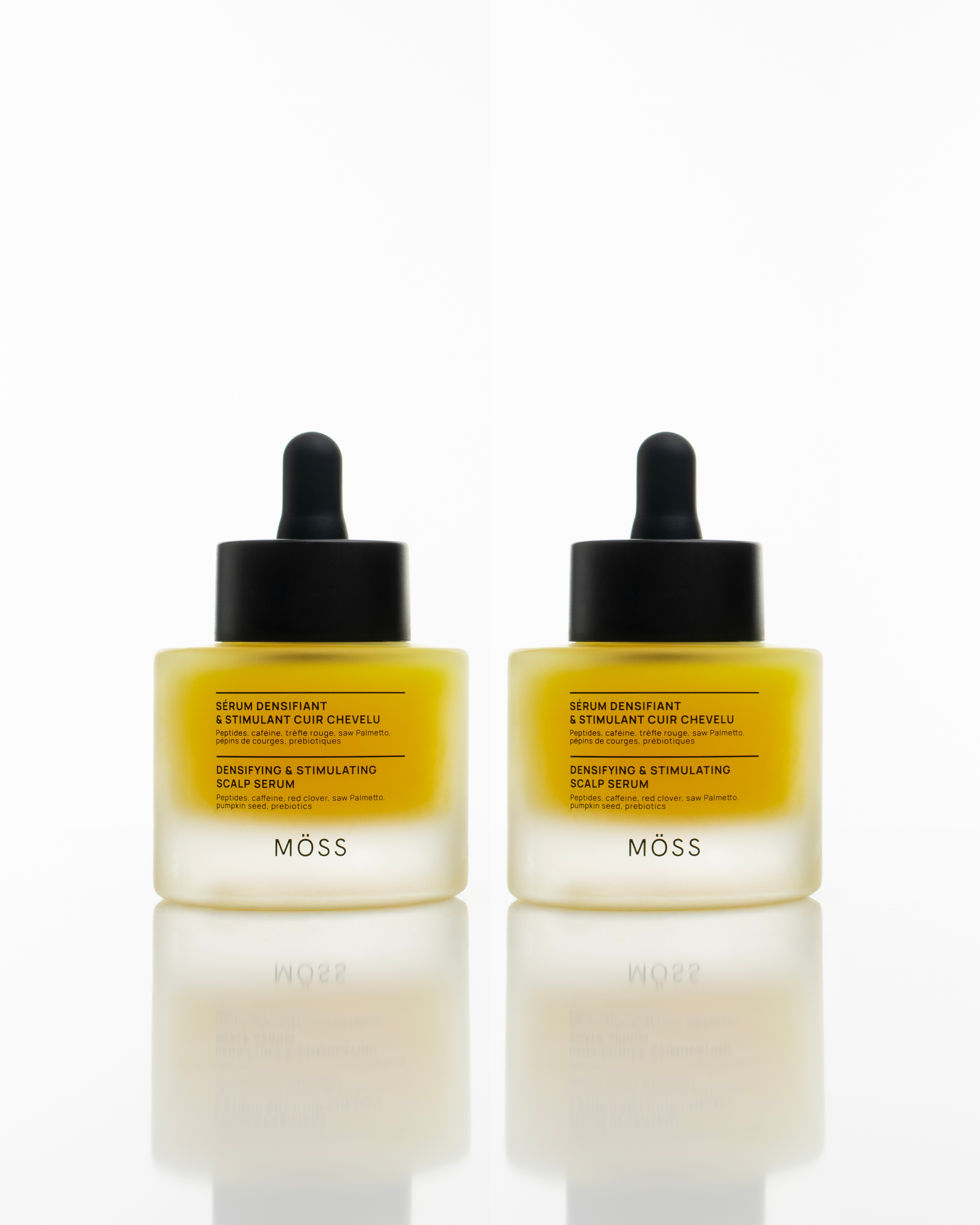
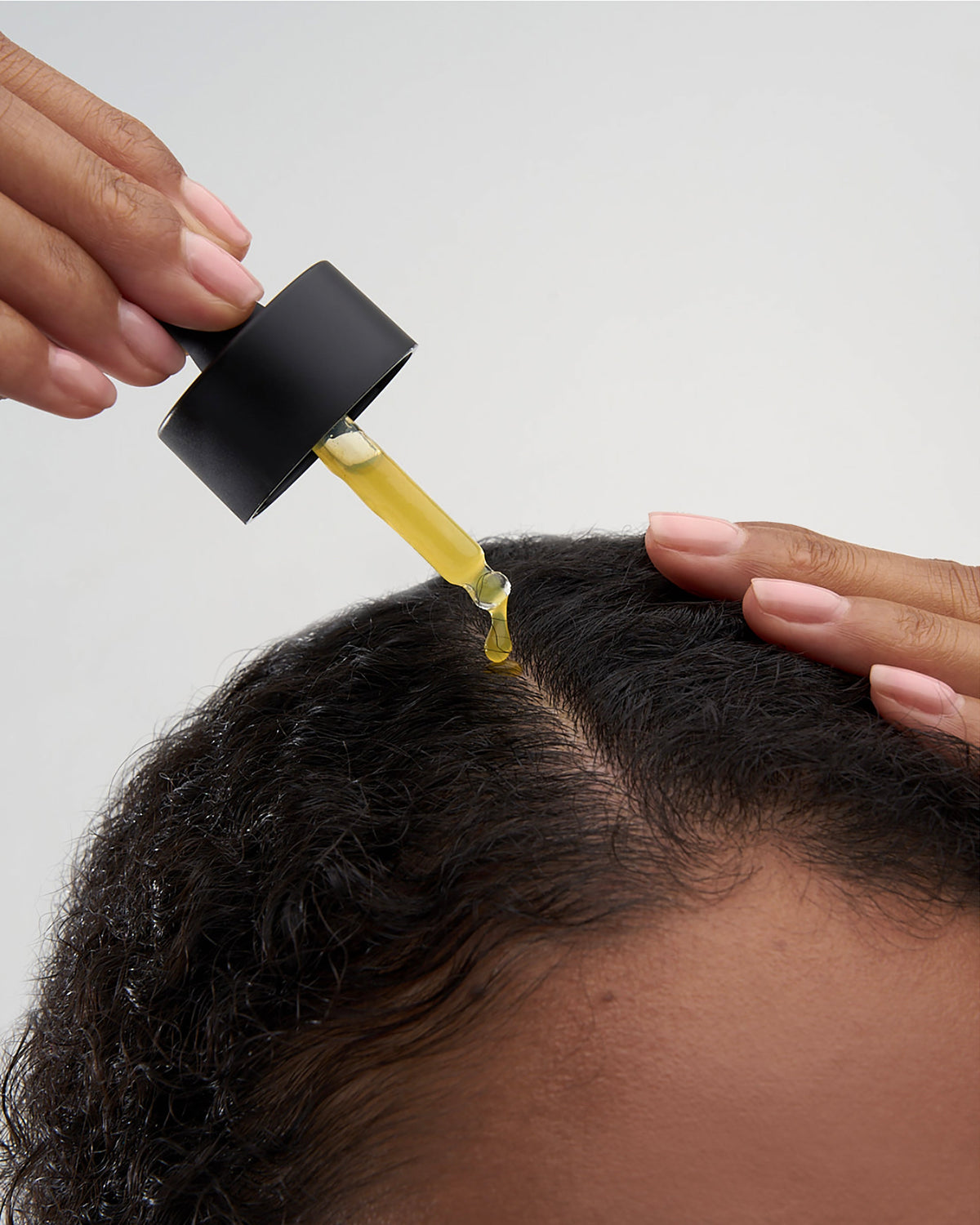
- Use DHT inhibitors: Some serums and hair treatments contain active ingredients that block the action of 5-alpha reductase, thereby reducing DHT production.
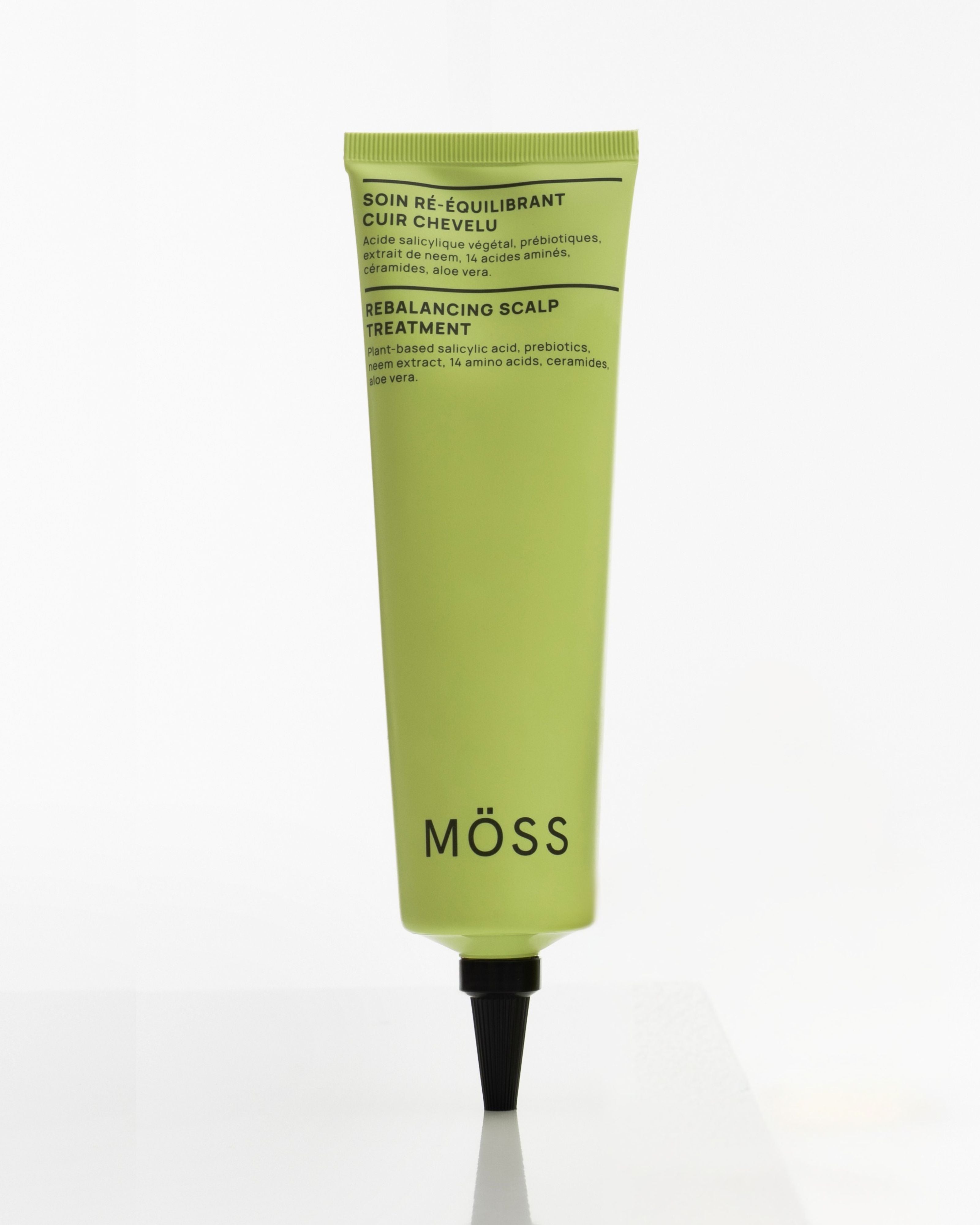
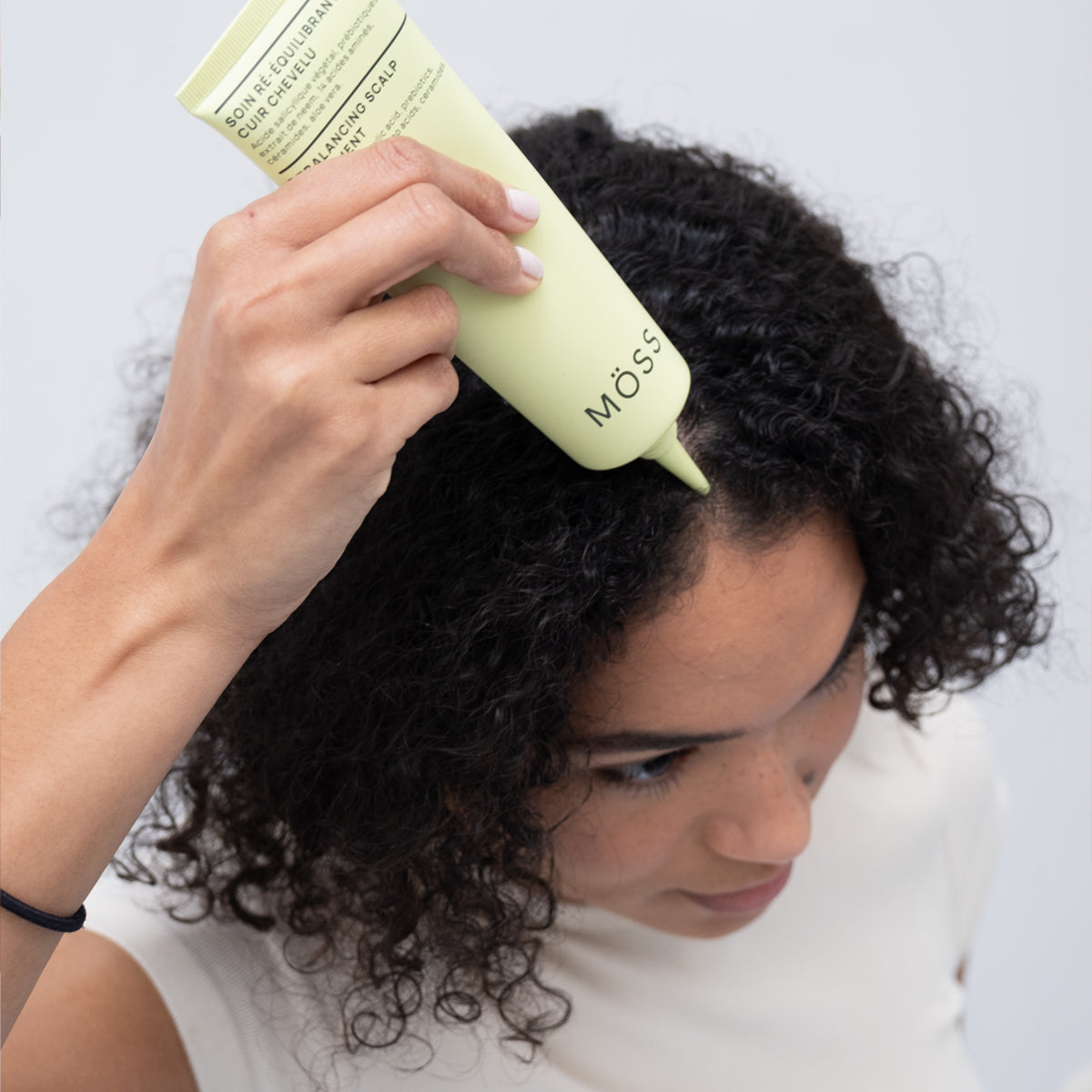
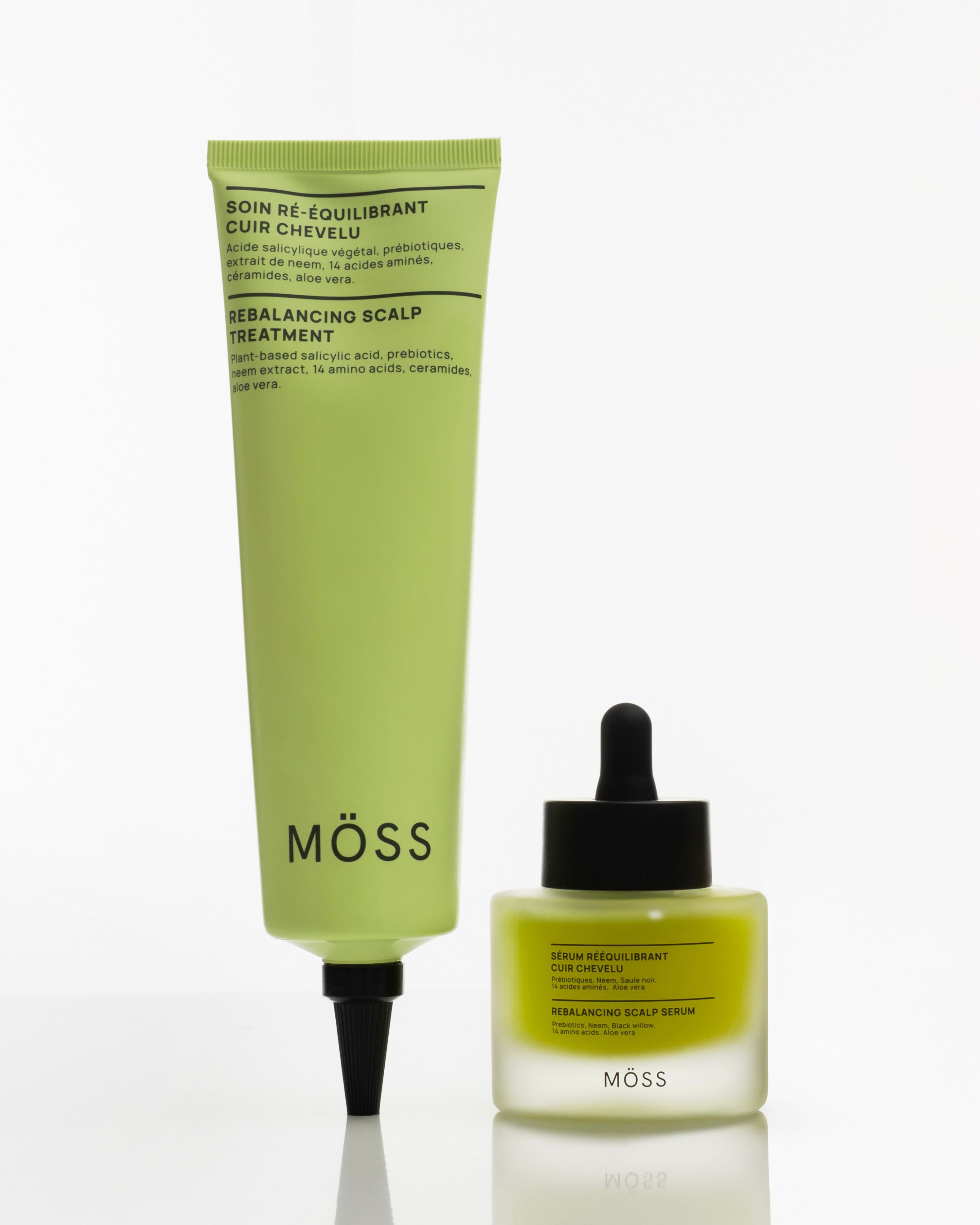
- Adopt a suitable hair care routine: Opt for gentle and nourishing products to strengthen hair and stimulate the scalp.
- Consult a professional: A dermatologist or trichologist (hair specialist) can help you identify the exact cause of your hair loss and develop a personalized treatment plan.
DHT is a key player in the hair loss process, but understanding its role allows for better action to preserve the health of your hair. By taking the right steps and consulting a professional if necessary, it is possible to limit its effects and regain stronger, denser hair.