Seasonal hair loss: what studies really say, beyond common misconceptions
More hair on the brush, in the shower, on the floor. Every year, after summer, at the same time, the same concern returns. And every year, the same advice circulates: mask with a tight bun, space out shampoos, change your entire routine. The problem is that none of these reflexes are supported by hair biology — and some actively worsen it.
This article reviews what scientific literature actually establishes about the seasonality of hair loss: the mechanisms, the figures, and especially the areas of uncertainty that generic articles on the subject carefully avoid.
The hair cycle: three phases, timing that explains everything

Each hair follows an independent three-phase cycle:
- Anagen (active growth): 2 to 7 years depending on the individual; this is the phase during which the follicle produces the hair shaft.
- Catagen (regression): 2 to 3 weeks of transition, the follicle retracts.
- Telogen (resting): approximately 3 months, the hair remains anchored in the follicle without growing, before being expelled by the regrowth of the next hair.
At any given time, in a person without hair disorders, 10 to 15% of hairs are in the telogen phase. It is this proportion that varies with the seasons — and this is where most articles on the subject stop at a vague statement. The data allows us to go further.
What the reference study shows: 823 women, 6 years of follow-up
The authoritative publication on the subject is by Kunz, Seifert, and Trüeb, from the Department of Dermatology at the University Hospital of Zurich, published in Dermatology in 2009 [1]. It is a retrospective study conducted over 6 years, based on trichograms (microscopic analysis of the hair root, which determines the exact phase of each sampled hair). After excluding cases related to pathology or medication, 823 women were included in the analysis.
Result: the proportion of hair in the telogen phase follows a clear annual periodicity, with a maximum in summer and a second, more modest peak in spring. The minimum is observed at the end of winter.
This result is not isolated. It confirms previous observations:
- Courtois et al. (1996), in the British Journal of Dermatology, had already shown a peak of growth (anagen phase) in July, logically preceding the resting phase observed by Kunz et al. [2].
- Randall and Ebling (1991), also in the British Journal of Dermatology, had documented comparable seasonal variations in a smaller cohort, hypothesizing a photoperiodic mechanism — that is, controlled by light exposure duration, as in many mammals with seasonal shedding [3].
- A Chinese study, Liu et al. (2014), published in the International Journal of Cosmetic Science, replicated a similar seasonality pattern in an Asian population, suggesting that the phenomenon is not specific to a hair type or geographical area [4].
- More recently, Hsiang et al. (2018), in the British Journal of Dermatology, analyzed Google searches related to hair loss over 12 years in the United States and confirmed a search peak consistent with the autumn window, providing large-scale validation independent of clinical cohorts [5].
It is the convergence of these sources — clinical, historical, and behavioral, across several continents — that solidifies the hypothesis, more than any one taken in isolation.
Why a several-month delay?
This is the most poorly explained point in existing content on the subject, yet the simplest to understand once the cycle phases are established: a hair entering the telogen phase does not fall out immediately.
It remains anchored in the follicle for the duration of this phase — approximately 3 months — before being mechanically pushed out by the regrowth of the next hair. A telogen peak in July-August therefore mechanically translates into a peak of visible shedding in September-October-November. It is not the back-to-school season, September stress, or temperature changes that trigger shedding: the phenomenon was initiated several months earlier, during the summer.
This mechanical explanation has a direct consequence: acting in September on the supposed causes of hair loss amounts to treating a symptom whose biological cause has already passed. The useful action lies upstream, on the condition of the scalp that will determine the quality of regrowth — not on an attempt to block shedding that began three months earlier.
Why common reflexes are counterproductive
In light of these mechanisms, three common behaviors deserve reconsideration:
Changing your entire hair care routine. The scalp and its microbiome take several weeks to balance with a given treatment. Multiplying changes during an ongoing shedding phase adds a variable of mechanical and chemical stress without addressing the cause, which is already behind.
Spacing out washes for fear of damaging the scalp. Counter-intuitively, a scalp where sebum and residue accumulate becomes a less favorable environment for the initiation phase of the new anagen cycle. Washing frequency has no proven link to the intensity of telogen shedding; it's the nature of the product used, not its frequency, that matters.
Tightening hairstyles to conceal shedding. Repeated mechanical tension on the root is a documented risk factor for traction alopecia, a phenomenon distinct from telogen effluvium but which can overlap with it and complicate regrowth.
What has a real effect
Since observed hair loss results from a phenomenon initiated several months earlier, the relevant action is not to "stop" ongoing hair loss, but to support the quality of the cycle currently being initiated: a healthy scalp, a balanced microbiome, and non-irritated follicles statistically offer better conditions for the anagen phase that follows shedding.
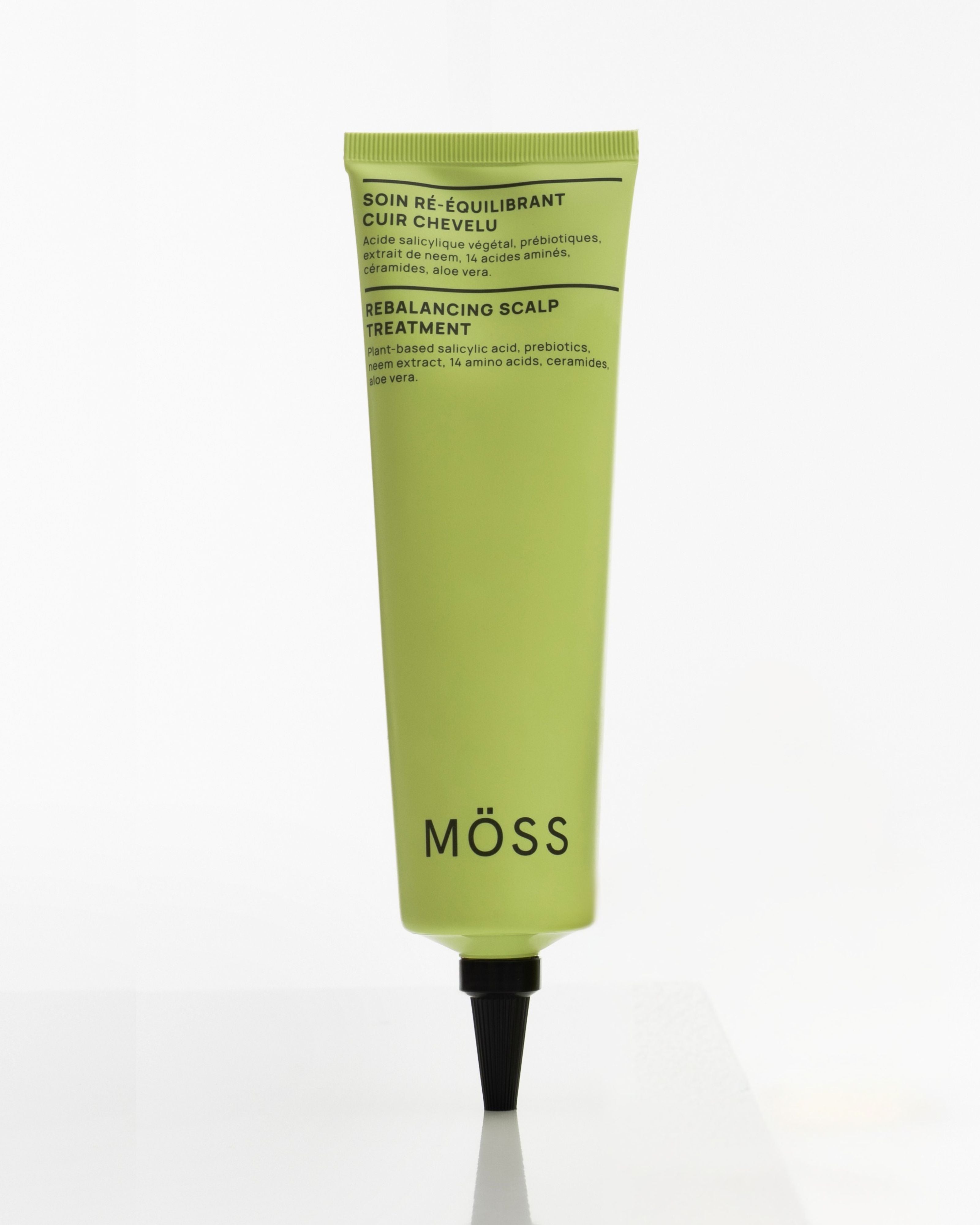
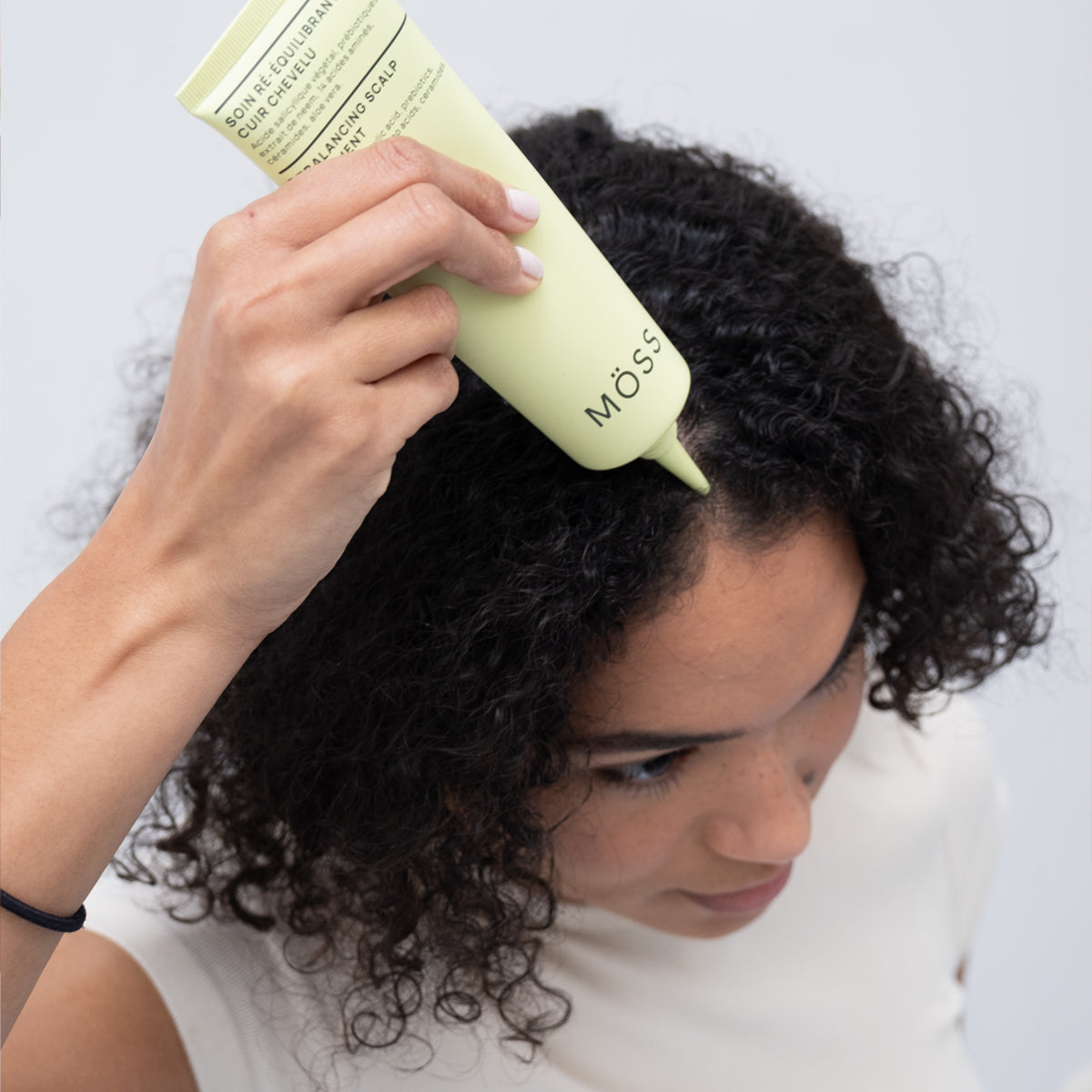
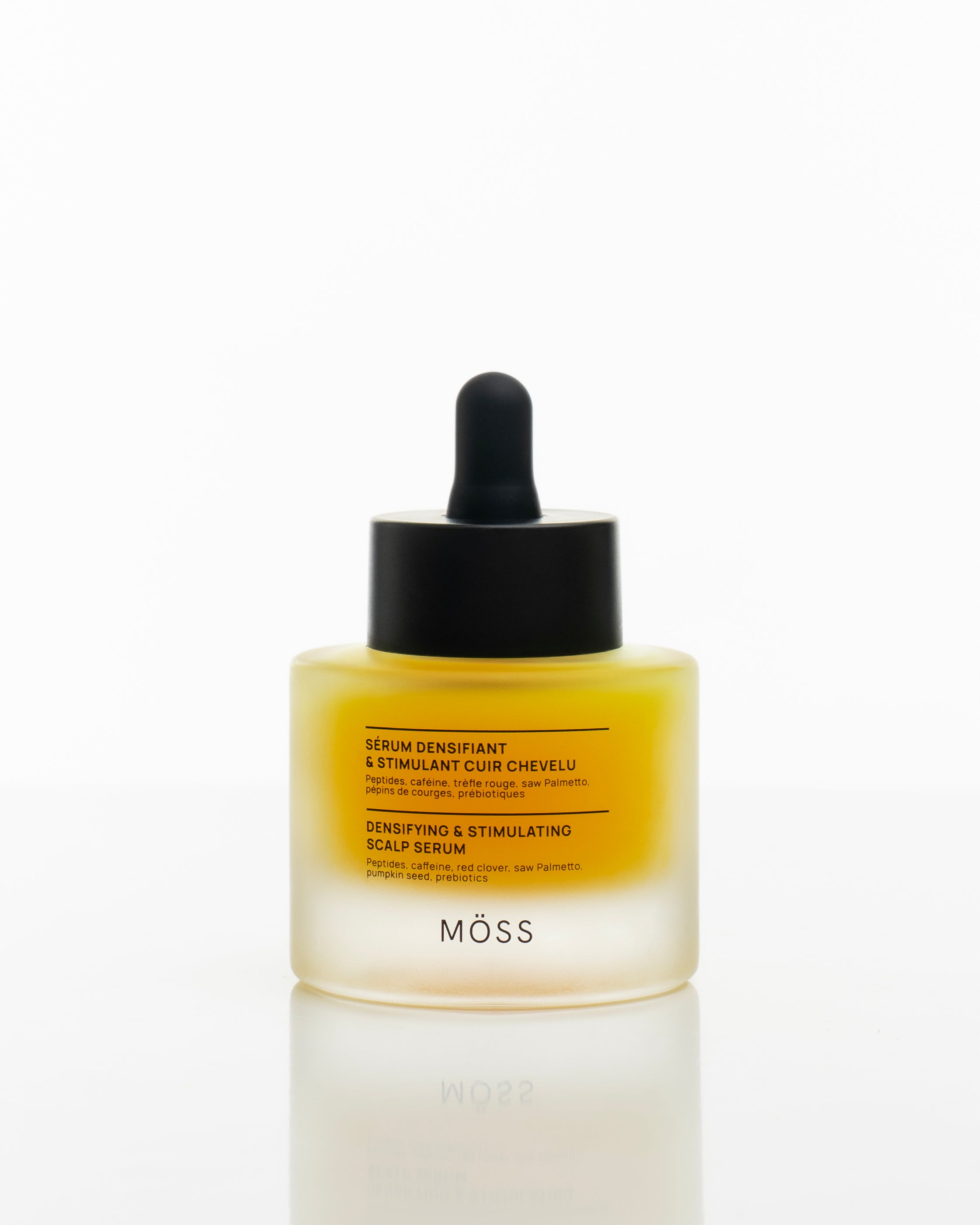
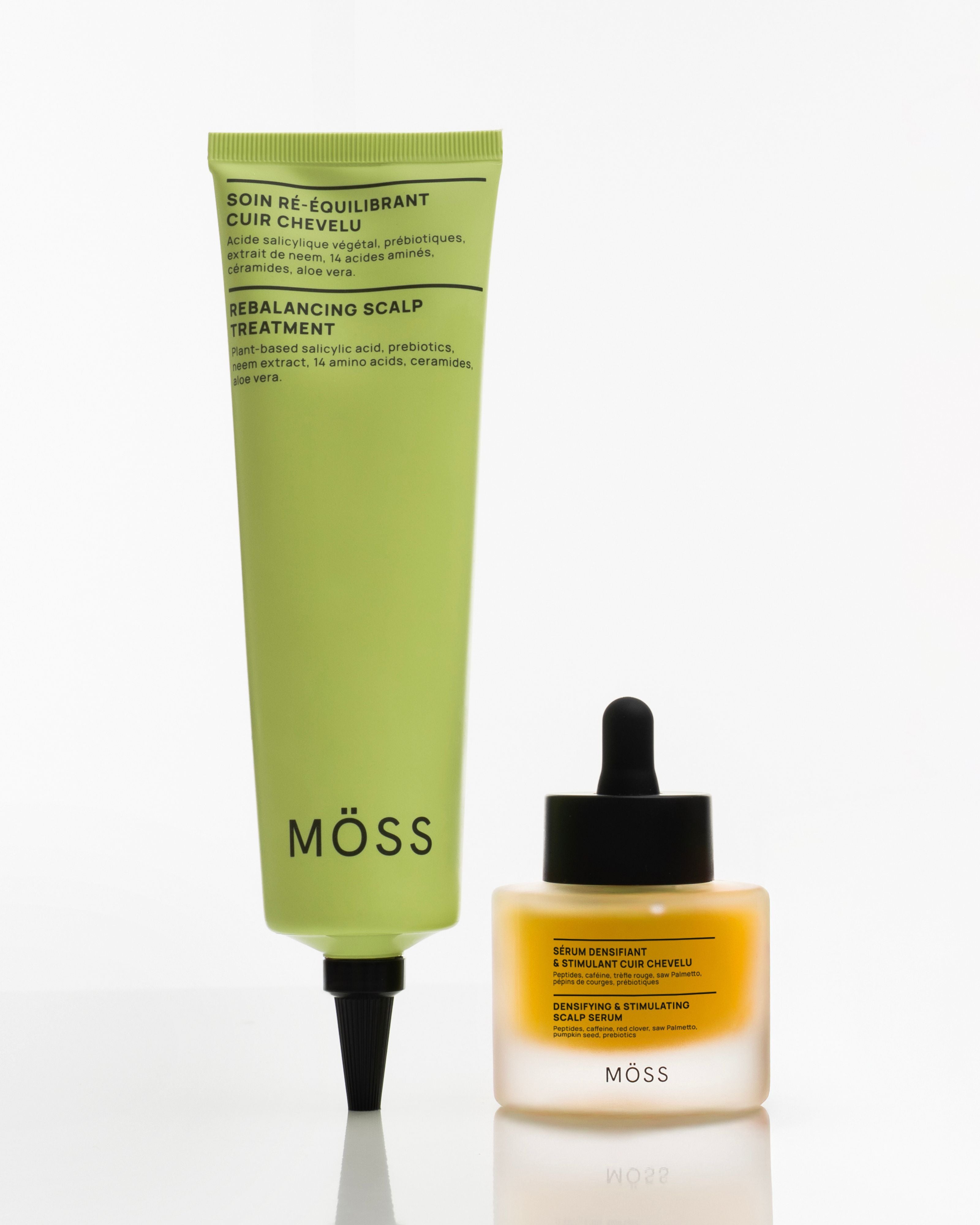
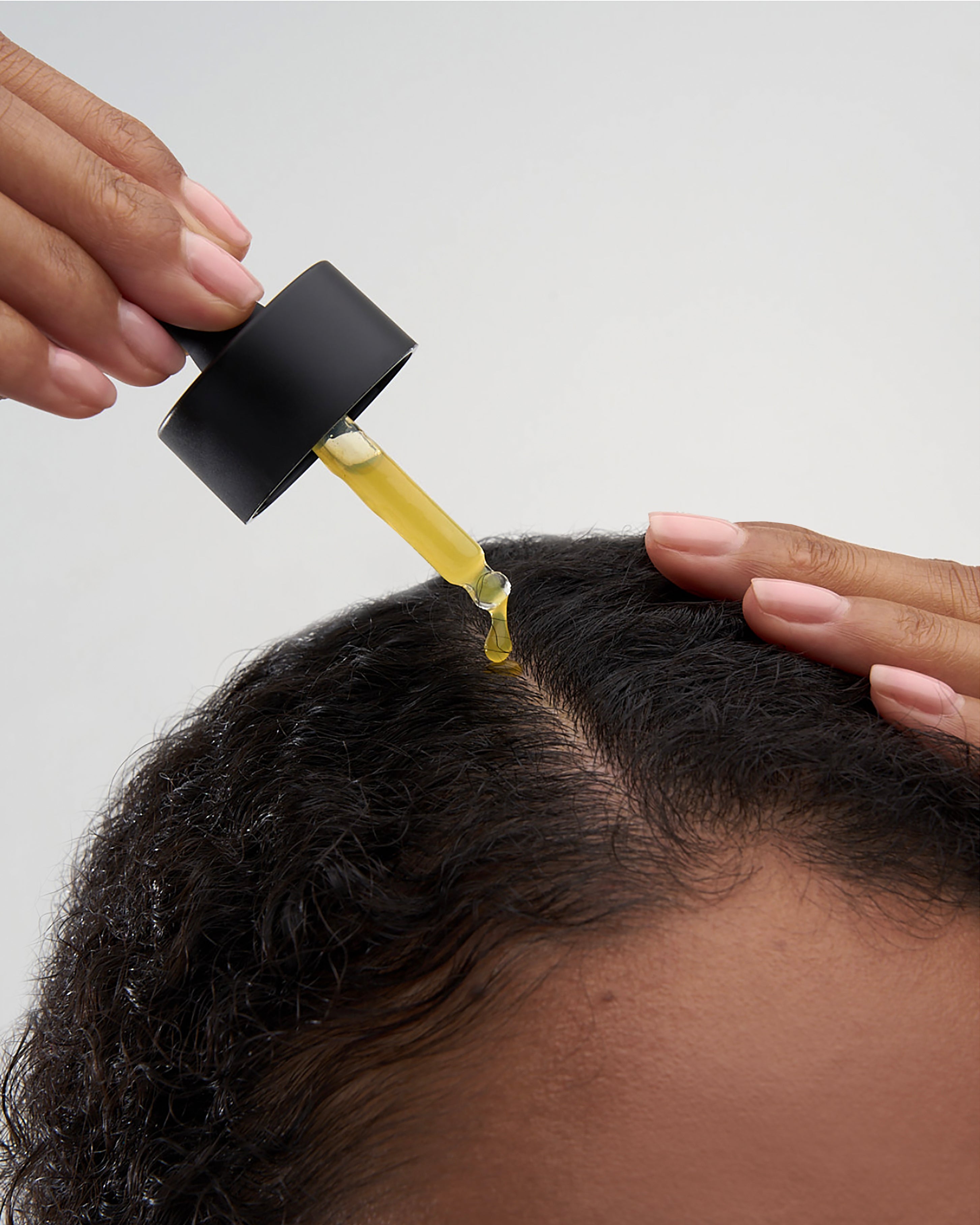
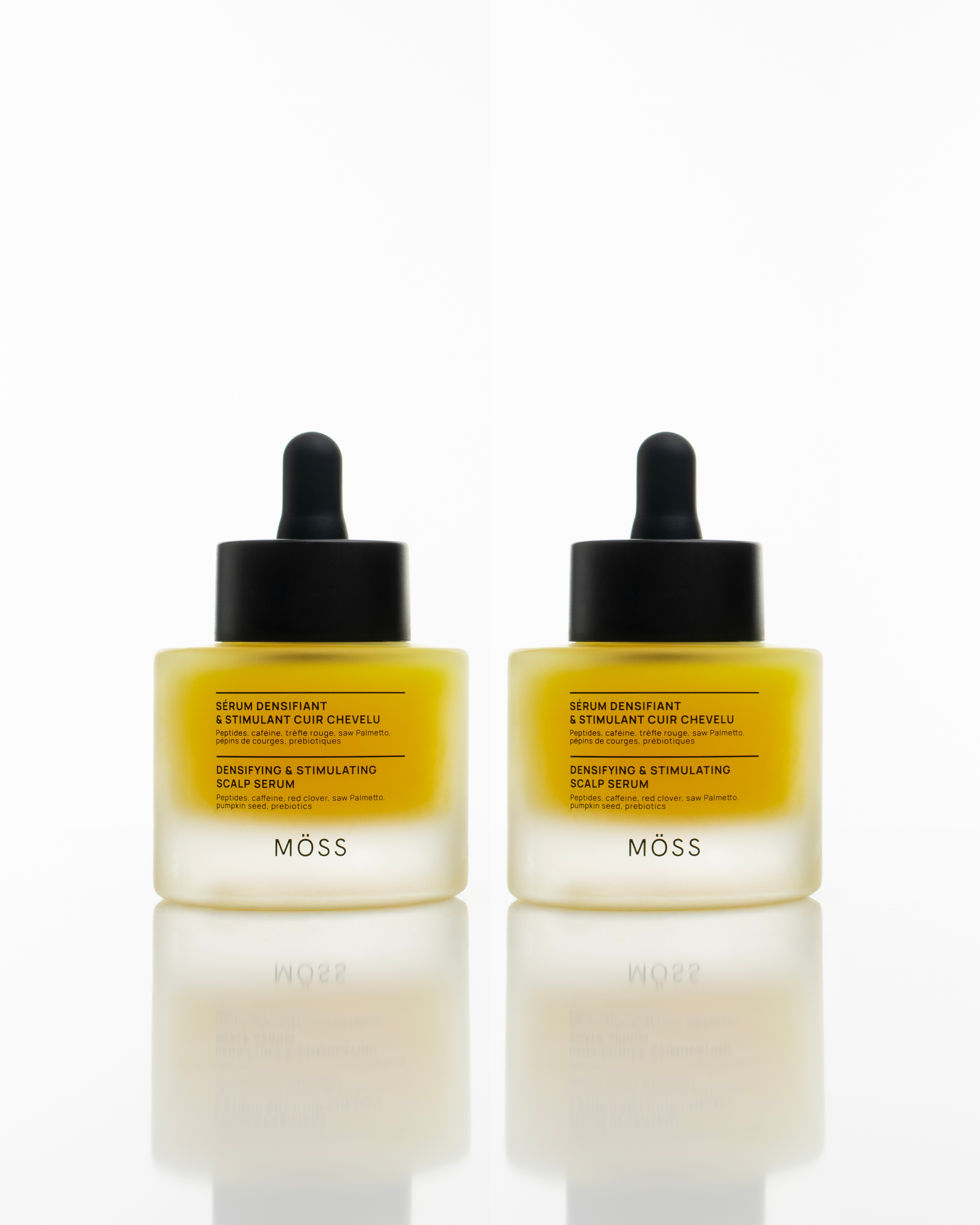
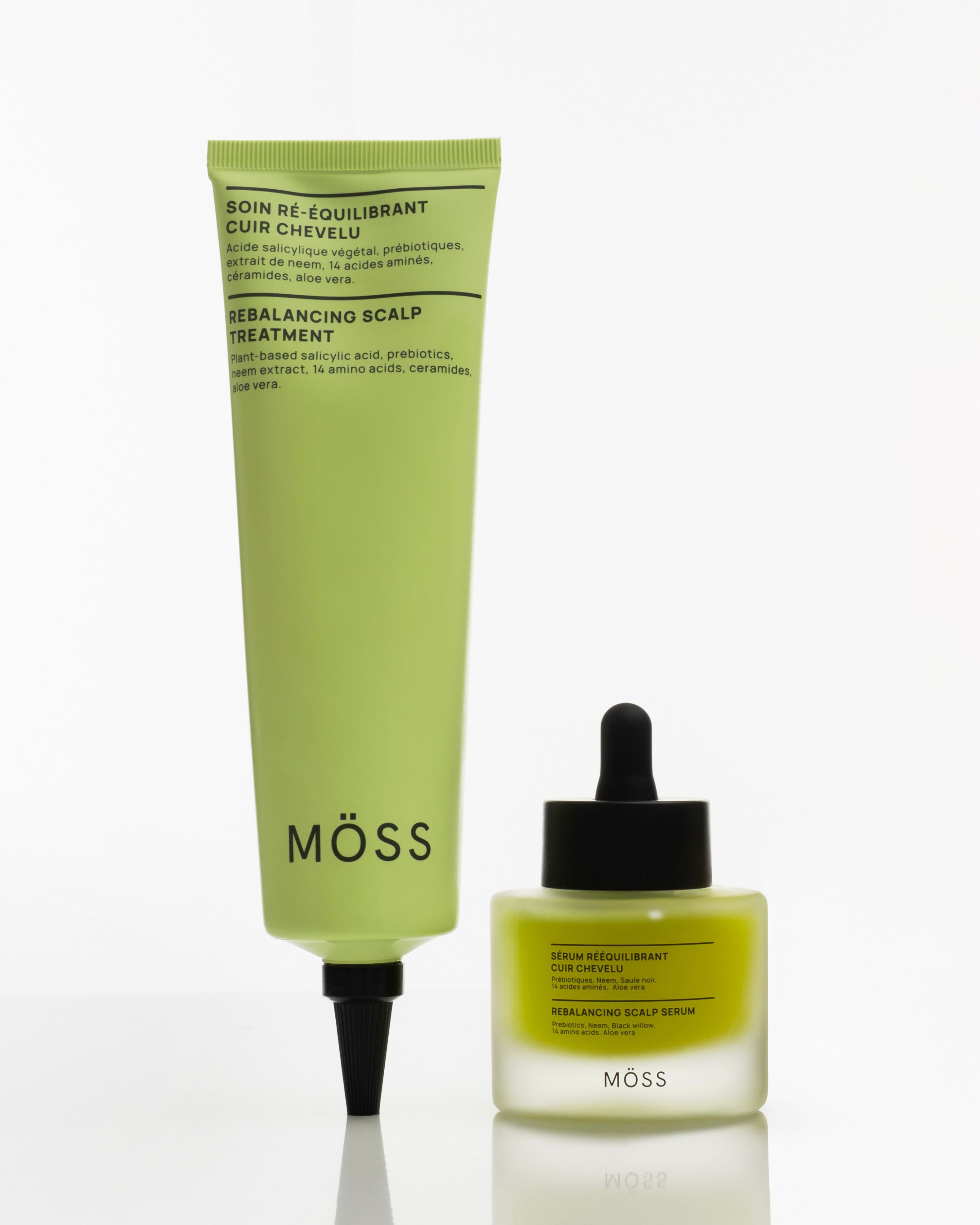
This is the reasoning behind Möss's Hair Loss Cure: a regular and targeted routine for the scalp, designed to support the several-month window during which the quality of regrowth is truly determined — rather than a one-time response to an already ongoing symptom.
Sources
[1] Kunz M, Seifert B, Trüeb RM. “Seasonality of hair shedding in healthy women complaining of hair loss.” Dermatology. 2009;219(2):105‑110. DOI: 10.1159/000216832.
[2] Courtois M, Loussouarn G, Hourseau S, Grollier J. “Periodicity in the growth and shedding of hair.” British Journal of Dermatology. 1996;134(1):47‑54.
[3] Randall VA, Ebling FJG. “Seasonal changes in human hair growth.” British Journal of Dermatology. 1991;124(2):146‑151.
[4] Liu C, Yang J, Qu L, et al. “Changes in Chinese hair growth along a full year.” International Journal of Cosmetic Science. 2014;36(6):531‑536.
[5] Hsiang EY, Semenov YR, Aguh C, Kwatra SG. “Seasonality of hair loss: a time series analysis of Google Trends data 2004–2016.” British Journal of Dermatology. 2018;178(4):978‑979.