How to protect your scalp and hair from pool water?
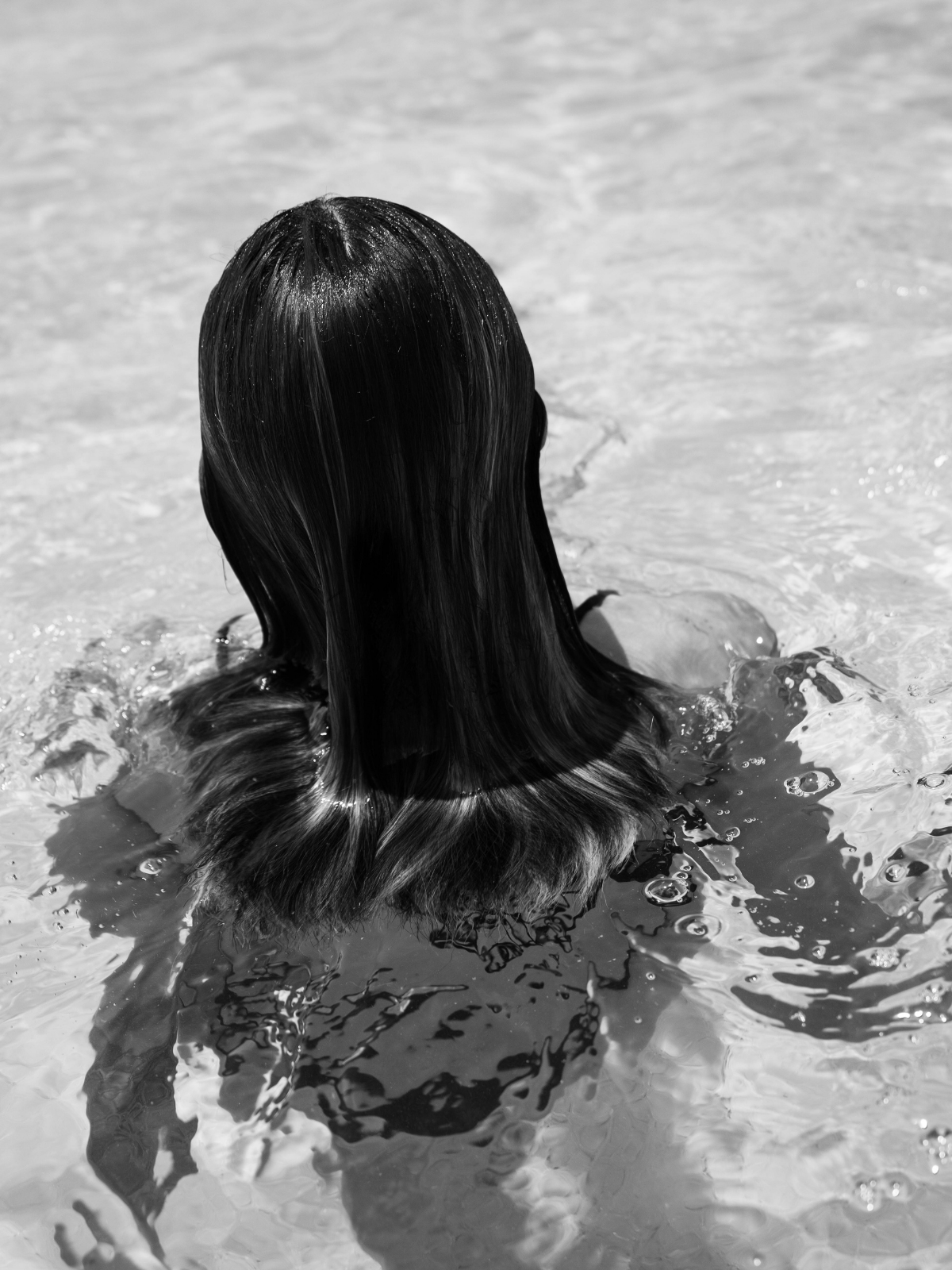
Understanding the impact of chlorine and salt on hair and scalp.
The chlorine in swimming pool water has measurable effects on hair structure and the balance of the scalp's cutaneous flora.
Why do chlorine and salt damage hair?
Chlorine is a powerful oxidant used to disinfect water. While essential for limiting bacterial growth, it disrupts the natural lipid balance of the scalp and hair fiber.
- For hair, it slightly opens the scales (cuticles) that protect keratin, increasing porosity. More porous hair loses its internal water more easily, becoming dry, dull, fragile, and more vulnerable to breakage.
- For the scalp, chlorine alters the hydrolipidic film and can unbalance the cutaneous flora (natural microorganisms that protect the skin). This imbalance promotes irritation, feelings of discomfort, itching, and reactions such as excessive sebum production or the appearance of dandruff.
Moreover, salt (in seawater or saltwater pools) accentuates dehydration: it creates a drawing effect of water from the fibers and scalp, further contributing to their dryness.
Variable effects depending on hair textures and scalps.
Certain hair types and scalps are more sensitive:
- Curly, coily, and kinky hair, naturally drier, are particularly prone to dehydration.
- Fine hair, already mechanically fragile, can become brittle more quickly.
- Scalps prone to imbalances (sensitivity, excess or lack of sebum, dandruff) can react more intensely to chlorine or salt.
What routine should you adopt after swimming?
1. Rinse immediately after getting out of the water to limit oxidation.
Thorough rinsing with clean water is the essential first step. It helps remove most of the chlorine and salt before they settle into the cuticles and on the scalp.
The longer you wait, the more oxidation progresses. This simple step thus prevents some structural damage.
2. Cleanse gently.
Opt for a gentle shampoo, formulated with sulfate-free surfactants and hydrating or soothing active ingredients. The goal is to rid the fiber and scalp of chlorinated residues while preserving their protective barrier.
Avoid overly "stripping" shampoos that risk worsening the hydrolipidic imbalance.
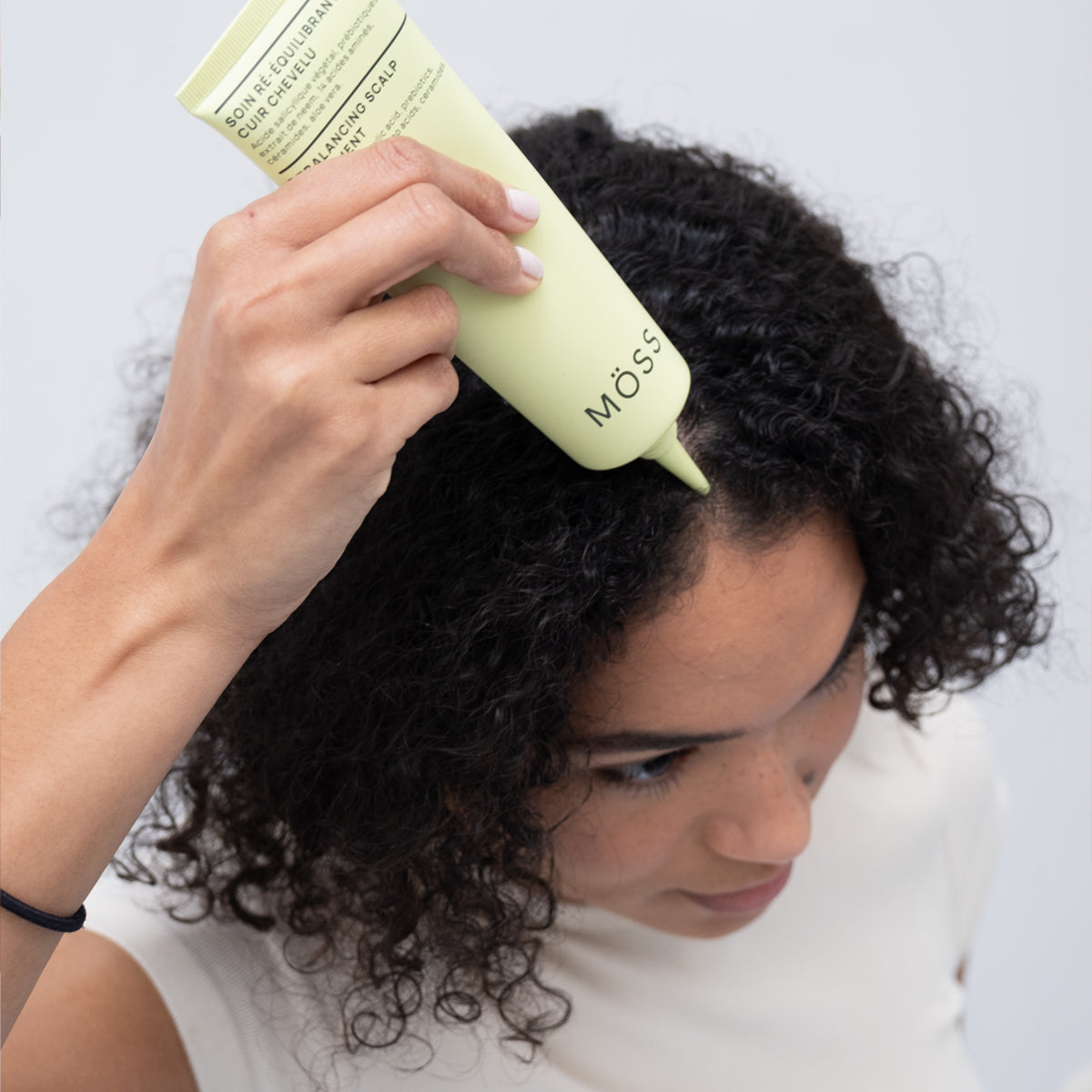
3. Rebalance and soothe the scalp.
After chlorine exposure, the scalp's cutaneous flora can be disrupted. This promotes sensations of tightness, itching, and can trigger a seborrheic reaction.
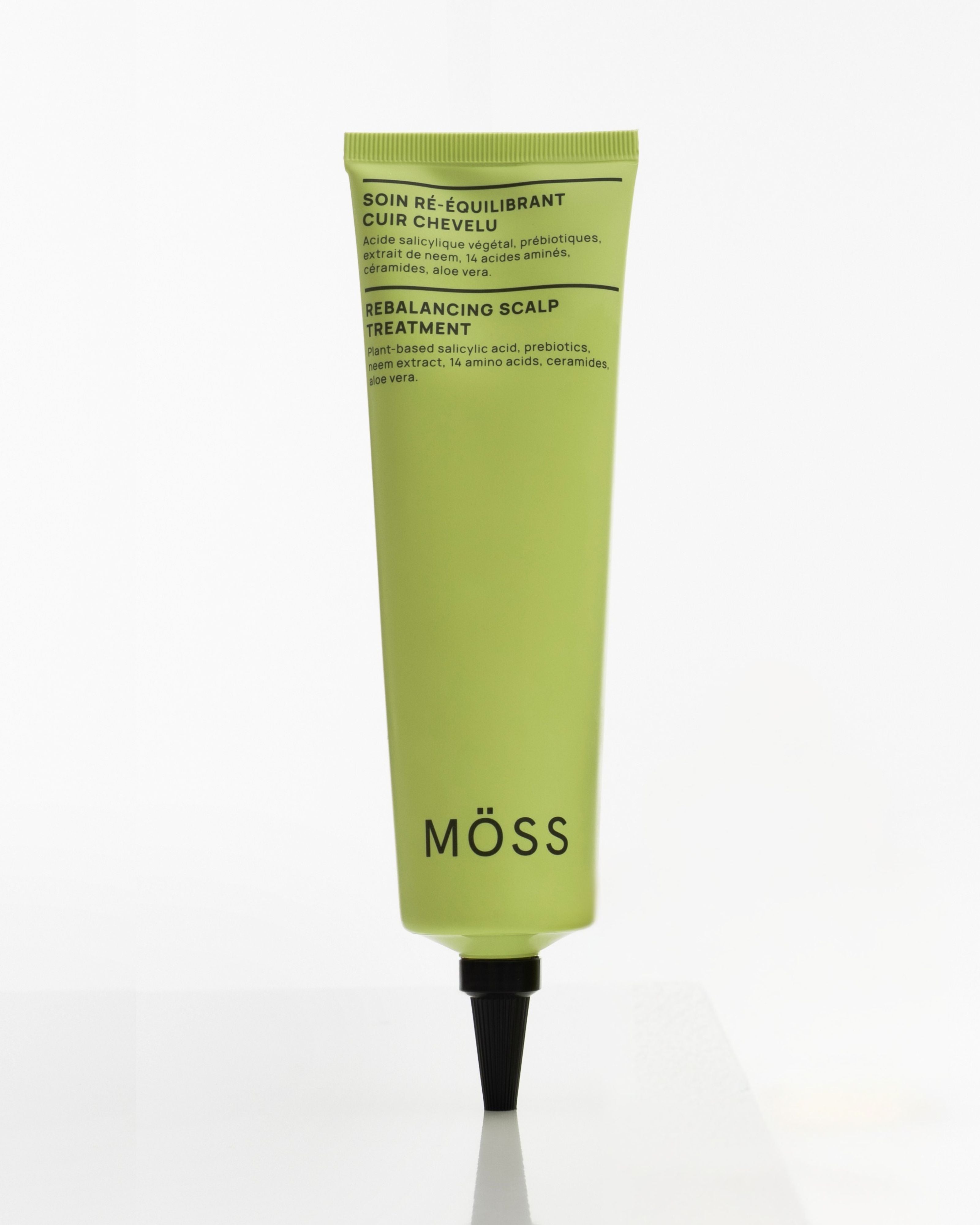
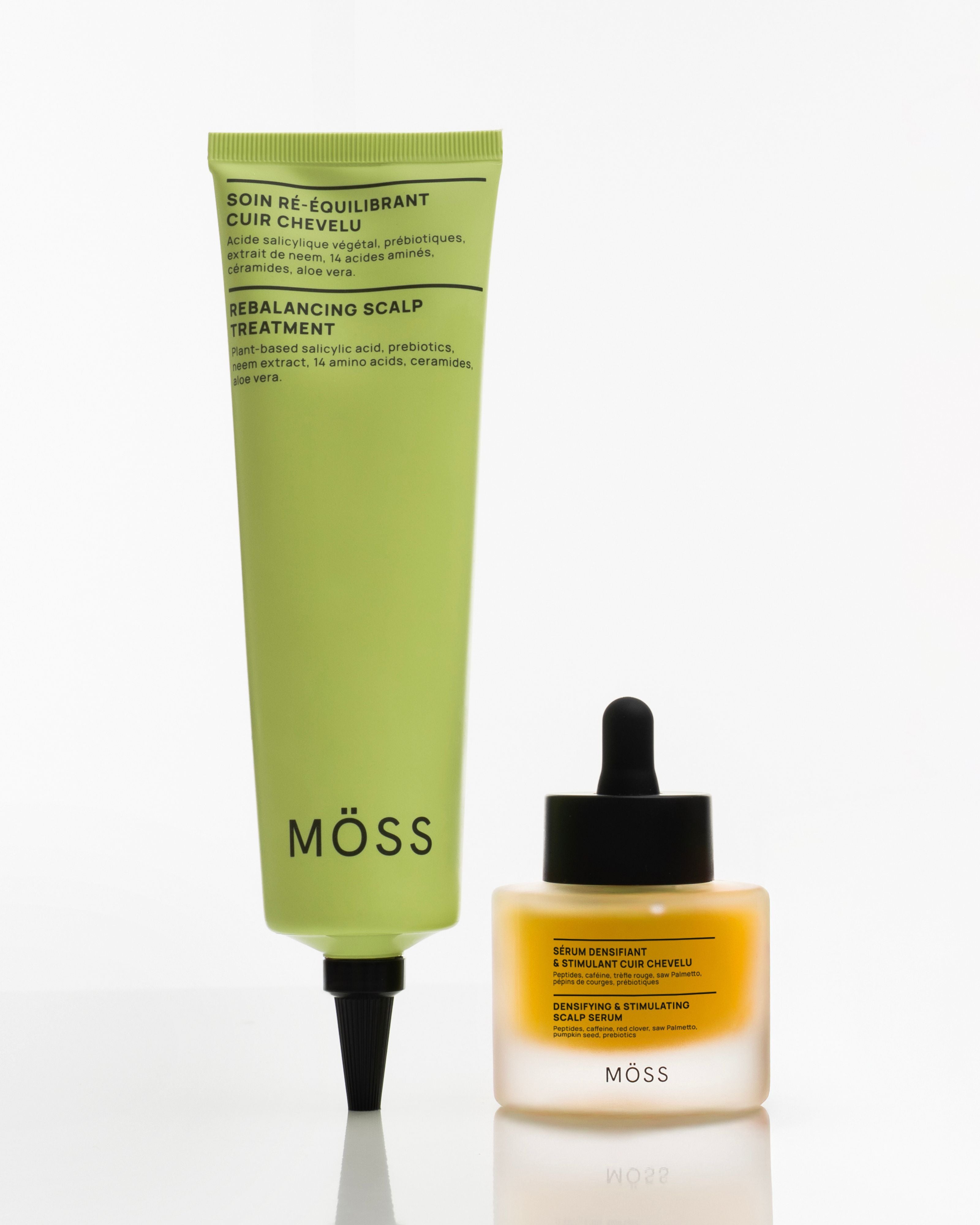
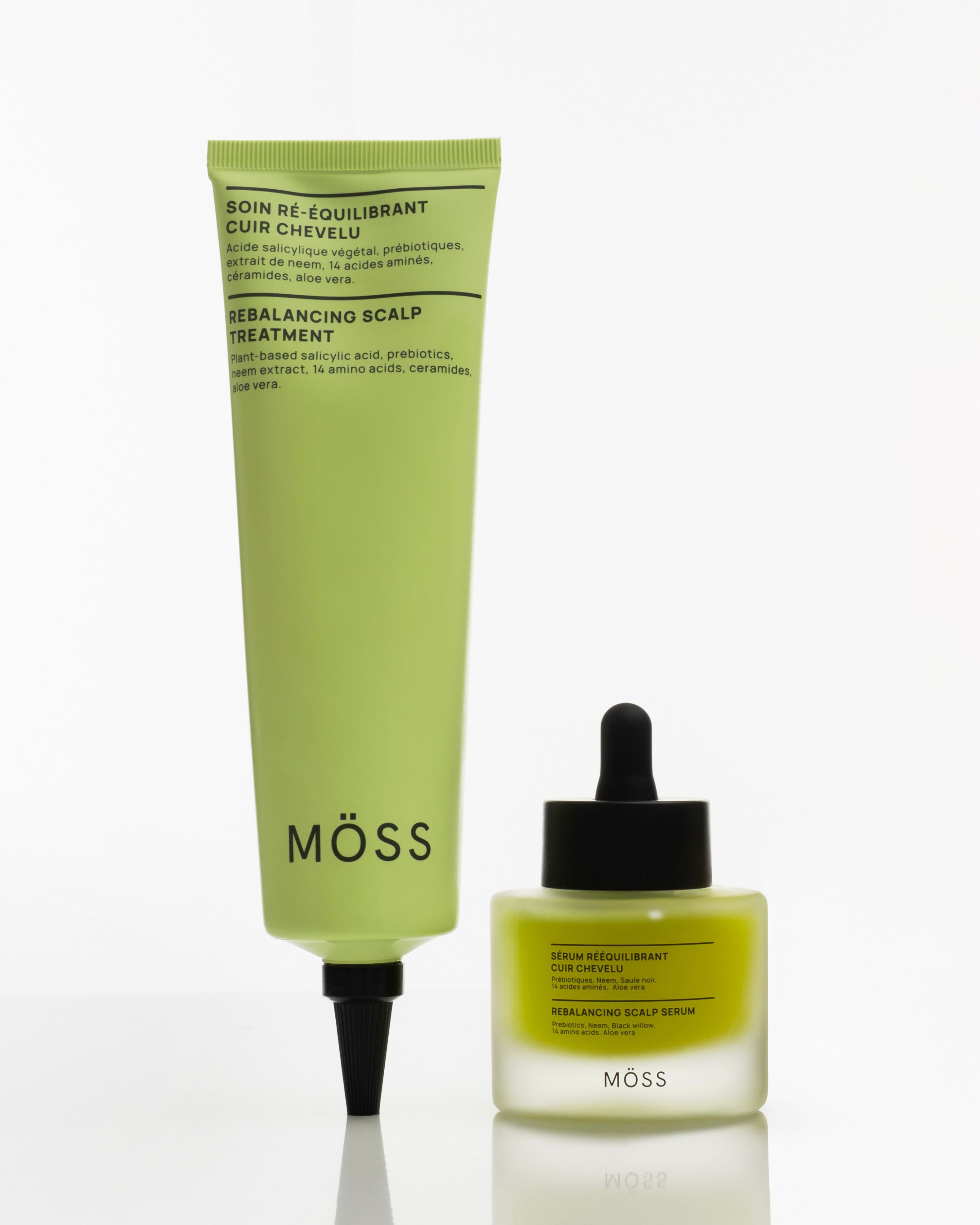
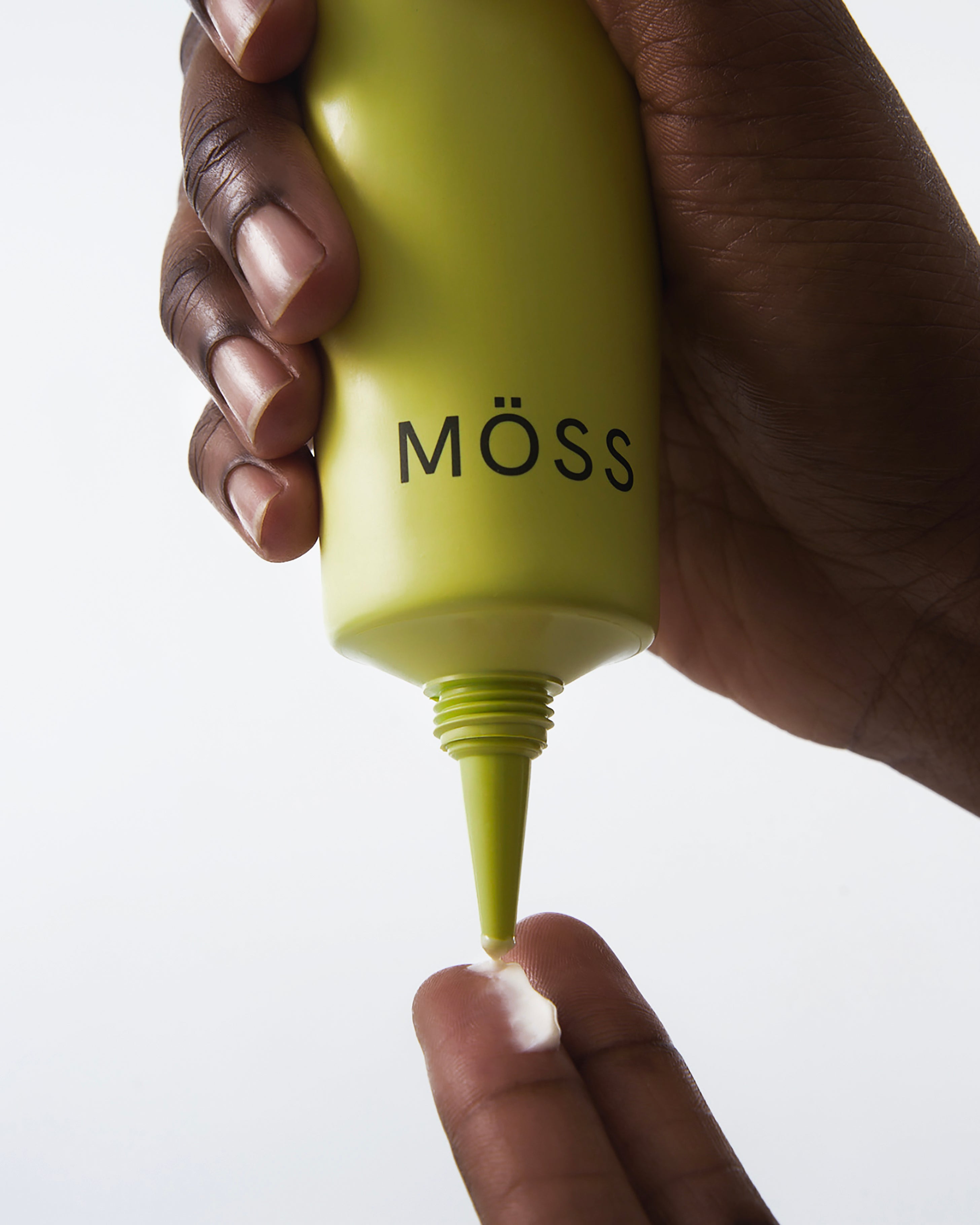
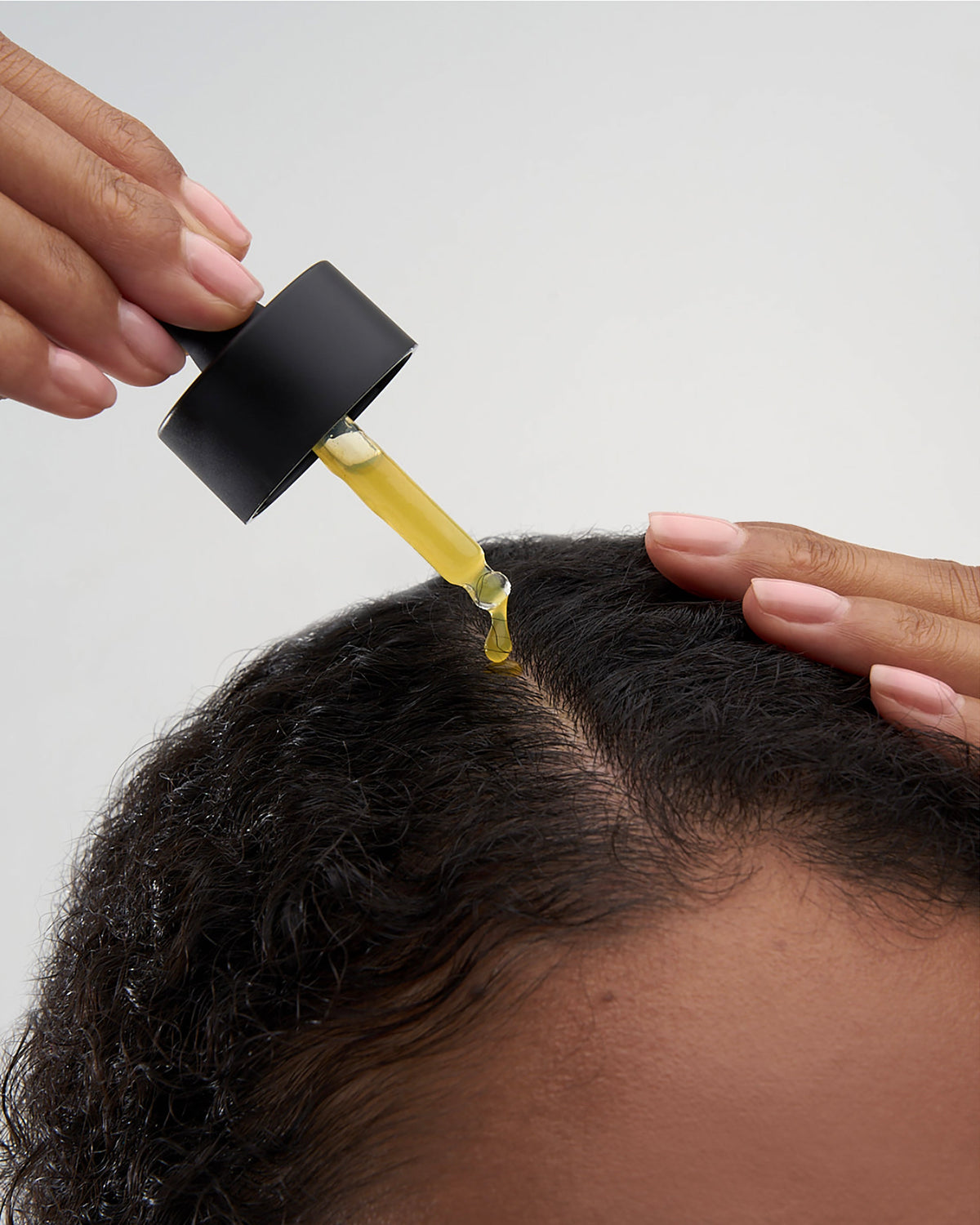
To restore scalp balance, we recommend applying a specific treatment, such as our Möss rebalancing scalp treatment.
- It combines carefully selected natural active ingredients known for their soothing and regulating effects.
- It supports the cutaneous flora, restores the hydrolipidic barrier, and rebalances sebum secretions.
- This step is essential to prevent the appearance of dandruff, calm irritation, and prepare a healthy environment for regrowth.
4. Nourish and strengthen the hair fiber.
After swimming, the hair cuticle is more open: this is the time to apply a nourishing treatment or a repairing mask.
- Choose formulas rich in essential fatty acids and plant proteins.
- For coily or kinky textures, a hydrating leave-in treatment can be added to maintain suppleness.
- Vegetable oils, applied in small quantities, help smooth the cuticles and limit water evaporation from the fiber.
5. Dry gently.
After swimming, avoid blow-drying or straightening, which can further weaken an already sensitized hair fiber.
- Gently blot hair with a microfiber towel to minimize friction.
- Allow to air dry whenever possible.
What to do before swimming to limit the effects of chlorine.
- Wet your hair with clean water before entering the pool. This reduces its capacity to absorb chlorine or salt.
- Wear a swim cap. This is the most effective solution to reduce contact.
- Apply a thin layer of vegetable oil or conditioner before swimming. This forms a physical barrier that slows the penetration of aggressive agents.
In summary.
- Rinse immediately with clean water after swimming.
- Cleanse with a gentle, sulfate-free shampoo.
- Soothe and rebalance your scalp with the Möss rebalancing treatment to prevent irritation and imbalances.
- Nourish the hair fiber with a mask or oil adapted to your texture.
- Dry gently and limit direct heat sources.